U.S. Supreme Court Blocks Colorado Conversion Therapy Ban
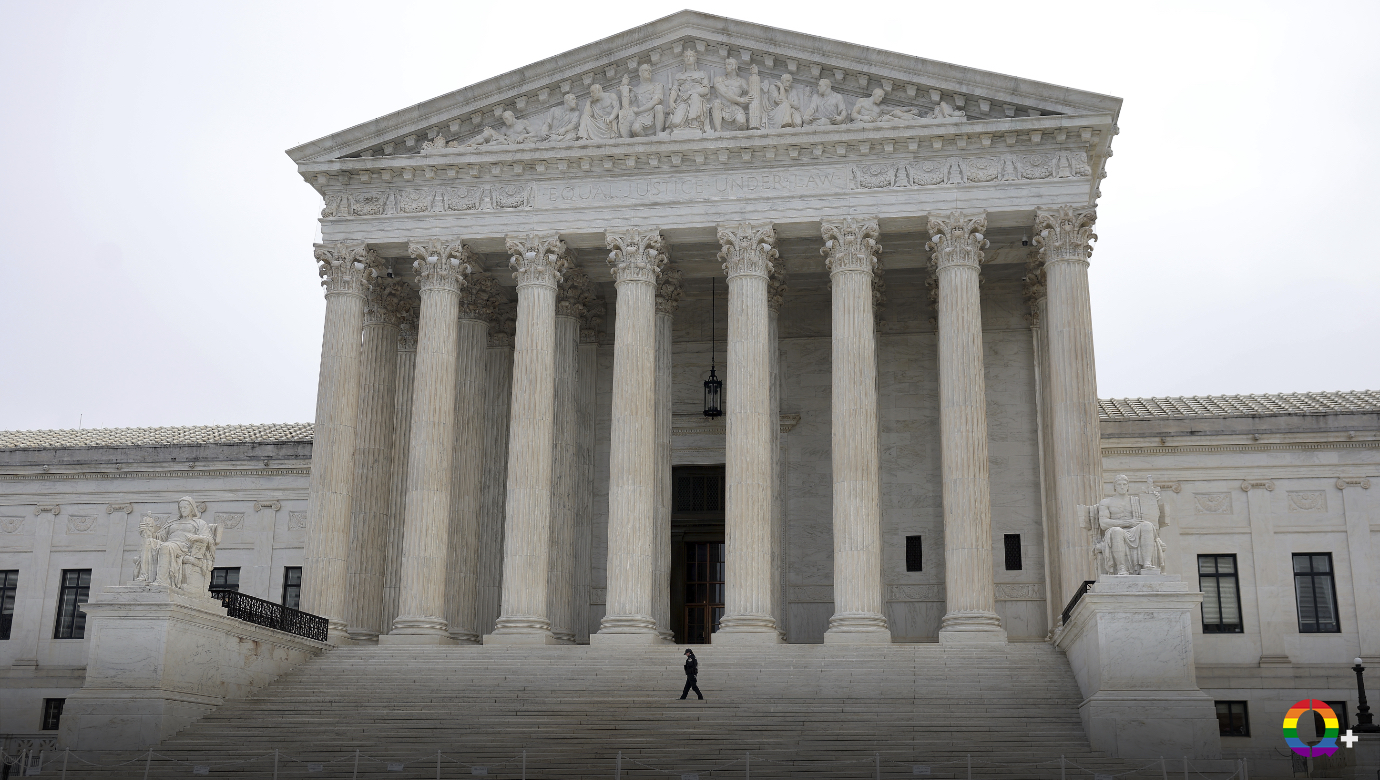
In a ruling that’s already raising serious concerns among LGBTQ+ communities across the U.S., the U.S. Supreme Court has struck down Colorado’s ban on conversion therapy for minors, reframing the issue as one of free speech rather than public health.
The 8-1 decision, led by Justice Neil Gorsuch, challenges a 2019 Colorado law designed to protect young people from practices that attempt to change their sexual orientation or gender identity. According to the Court’s majority, restricting what licensed therapists can say to their clients amounts to unconstitutional viewpoint discrimination. That framing, however, is exactly what has many in the LGBTQ+ community deeply unsettled.
Because beyond the legal language, this decision touches something far more personal: the safety and well-being of queer youth. Conversion therapy isn’t just controversial, it’s been widely rejected by medical professionals and psychological organizations as harmful and ineffective. For years, advocates have fought to ban it not as a matter of opinion, but as a matter of protecting minors who may not have the autonomy or support systems to advocate for themselves from psychological damage.
Justice Ketanji Brown Jackson, the sole dissenting voice, pushed back on the majority’s reasoning. She argued that when speech is part of medical treatment, states have both the authority and the responsibility to regulate it, especially when patient safety is on the line. That distinction feels crucial. Because what’s being debated here isn’t casual conversation, it’s guidance delivered in therapeutic settings, often to minors who may already be vulnerable or under pressure from family or community expectations.

LGBTQ+ leaders, including Human Rights Campaign President Kelley Robinson, have warned that this ruling could have real and immediate consequences. Without clear protections in place, more young people may be exposed to practices that tell them their identities are something to be corrected rather than embraced.
Colorado officials echoed that concern, with Attorney General Phil Weiser calling the decision a step backward in efforts to ensure safe, ethical care for minors. At the same time, supporters of the ruling argue it upholds fundamental constitutional rights.
Still, for us, the heart of this story isn’t legal theory, it’s the kids who could be affected.
LGBTQ+ youth already face disproportionate rates of mental health challenges, often tied to rejection, stigma, and lack of support. Policies that weaken protections don’t exist in a vacuum; they shape real experiences, real conversations, and real outcomes. When they shift in ways that potentially legitimize harmful practices, it’s not abstract but personal. It’s the queer teen being told they need to be “fixed.” It’s the trans kid being denied affirmation in spaces that are supposed to provide care.
And we have to say it plainly: queer and trans identities are not problems to be solved.
As the case moves back through the courts and other state laws potentially come into question, the urgency of advocacy only grows. Protecting LGBTQ+ youth means ensuring they have access to affirming care and not practices rooted in shame or denial.
If you or someone you know is struggling, support is out there. Organizations like The Trevor Project provide free, confidential resources for LGBTQ+ young people who need someone to talk to. You’re not alone, and you deserve to be safe, supported, and exactly who you are.
Follow us on X and Instagram for all queer stuff!
Featured Image: Image via Getty Images. Photo by Kevin Dietsch.
Discover more from Q+ Magazine
Subscribe to get the latest posts sent to your email.


