‘Make Me Famous’ Review: Edward Brezinski, the Artist Who Wanted It Too Much
What does it really mean to “make it”? With Make Me Famous (2021), director Brian Vincent invites us into a messy, fascinating, scrappy, and often heartbreaking corner of the 1980s New York art scene to explore that very question. Through the life of a mostly unknown painter, Edward Brezinski, the documentary becomes less about one man’s failed attempt at being seen and more about the fragile, complicated relationship between art, identity, and recognition—especially within a deeply queer creative community that thrived in the margins.
From the moment we’re dropped into the Lower East Side, the film establishes a vivid sense of place. This isn’t the glossy, mythologized version of New York we often see; it’s a gritty, chaotic, collaborative, deeply queer, and alive creative playground. Artists are scraping by, living in near-uninhabitable conditions, turning apartments into galleries, performing for each other, and pushing boundaries simply because there were no rules to follow. There’s a sense of chosen family here, of outsiders finding each other and building something vibrant out of nothing, even if it couldn’t last. But there’s also competition, ego, and the quiet understanding that not everyone was going to make it.
At the center of it all is Edward Brezinski, a figure as compelling as he is frustrating. He moved through the East Village art scene with relentless determination and a hunger for recognition that never quite paid off. Through archival footage and interviews with contemporaries, we piece together a portrait of an artist who wanted fame with almost painful intensity. But Make Me Famous refuses to turn him into a misunderstood genius. Instead, it presents something far more uncomfortable, and, honestly, more honest.

Brezinski wasn’t a prodigy. He wasn’t ahead of his time in some revolutionary way. He knew his craft, sure. His work was competent, sometimes even compelling. But he was also one of many artists trying to break through in a moment where everyone was chasing the same thing.
And that’s where Make Me Famous really digs in and where, for us, the tragedy lies. Because while many of the artists around him were experimenting, collaborating, and creating for the sake of expression, Brezinski seemed fixated on recognition as the end goal, constantly positioning himself to be noticed. Handing out invitations at other people’s openings, hosting relentless shows in his makeshift “Magic Gallery,” chasing trends instead of breaking them. There’s an almost painful urgency to it all.
And yet, despite all that effort, what he’s most remembered for isn’t a painting, but an incident: eating a (toxic) sculptural donut from Robert Gober’s exhibition. It’s bizarre, a little absurd, and kind of telling. Because, as one voice in the documentary points out, at some point, it all became about Brezinski the character, not Brezinski the artist. The spectacle overshadowed the substance, and in many ways, replaced it. That idea lingers over the entire film. Honestly, watching his story unfold, we can’t help but feel that this obsession he had with being seen might have been the very thing that kept him from ever becoming the artist he wanted to be.

What Make Me Famous does particularly well is place that struggle within a larger cultural and historical context. The 1980s art boom wasn’t just about talent; it was about timing, connections, and market shifts. Movements came and went quickly, and those who couldn’t adapt (or didn’t stand out enough) were left behind. Brezinski’s more traditional, portrait-driven work didn’t quite align with what the art world was beginning to reward. And instead of carving out a distinct voice, the film suggests he often followed what others were doing, hoping it might be his way in.
At the same time, none of that existed in a vacuum, it was all unfolding within a deeply queer creative scene. Many of the artists we hear from existed within overlapping LGBTQ+ circles, navigating a world that both marginalized and fueled their creativity. That context becomes even more powerful when the AIDS crisis enters the narrative. The shift is immediate and devastating. What was once a chaotic, liberating environment becomes marked by loss, fear, and urgency. Entire communities are wiped out, and with them, futures, bodies of work, and histories that were never given the chance to exist.
In that sense, Brezinski’s story feels both specific and universal. He wasn’t lost to the AIDS crisis like so many of his peers, but he was part of a scene where disappearance—whether through death, obscurity, or simply being overlooked—was always a looming reality. He wasn’t the only one who didn’t make it, he’s just the one this film chooses to center. And through him, we’re asked to consider how many others like him have been forgotten. The film subtly but powerfully reminds us that queer art history is full of these gaps, these almost-forgotten figures who shaped movements without ever receiving credit.

Stylistically, Make Me Famous mirrors the DIY ethos of the era it depicts. There’s a rawness to the way the story is told, pieced together through archival footage, personal anecdotes, and the filmmaker’s own investigation. And yes, that investigation becomes a key part of the narrative. As the documentary shifts into a quasi-mystery—questioning whether Brezinski really died or possibly staged his disappearance—it adds an unexpected layer of tension. But more importantly, it reinforces the film’s central mission: to restore Brezinski, not just as a painter, but as a person whose story deserves to be remembered.
What stayed with us most is how Make Me Famous challenges the idea that fame and success equal visibility. Brezinski’s story is a reminder that you can be present in a movement, contribute to a community, even influence those around you, and still not be remembered in the way you hoped. His work didn’t define an era. It didn’t revolutionize a medium. But it existed. And so did he.

Make Me Famous is very careful not to romanticize him, though. Brezinski is portrayed as talented but difficult, charismatic yet alienating. His relationships suffer, his career stalls, and his choices often sabotage his own potential. It’s a nuanced portrayal that resists easy conclusions, which makes it all the more compelling.
By the time we reach the documentary’s final act—tracking down records and visiting France to confirm whether Brezinski actually died—we’re struck by a sense of quiet closure. Not just because the mystery is resolved (confirming he died in Cannes in 2007), but because the film has done exactly what its title promises. In telling his story, in giving context to his work and his world, Make Me Famous grants Brezinski a kind of posthumous recognition he spent his life chasing.
And maybe that’s the film’s most poignant takeaway. Fame, as we’re reminded again and again, is fickle. It’s shaped by timing, trends, connections, things that don’t always align with talent or impact. But stories? Stories endure. And in reclaiming Brezinski’s, this documentary ensures that he won’t be lost to history.
Make Me Famous isn’t just about one artist’s quest for recognition, it’s about an entire generation of creators who built something extraordinary in the face of adversity, even if the world didn’t always notice. And in shining a light on one of its overlooked figures, the film quietly asks us to look a little closer at the ones we might be missing today.
Make Me Famous is currently playing exclusively in cinemas across the U.S., with a digital release set for later this summer. The film will have its Boston premiere on May 14–15 at the Somerville Theatre, followed by additional screenings in Florida and New York City throughout June. For more details and the latest updates, you can head over to www.makemefamousmovie.com. Follow us on X and Instagram for all queer stuff!
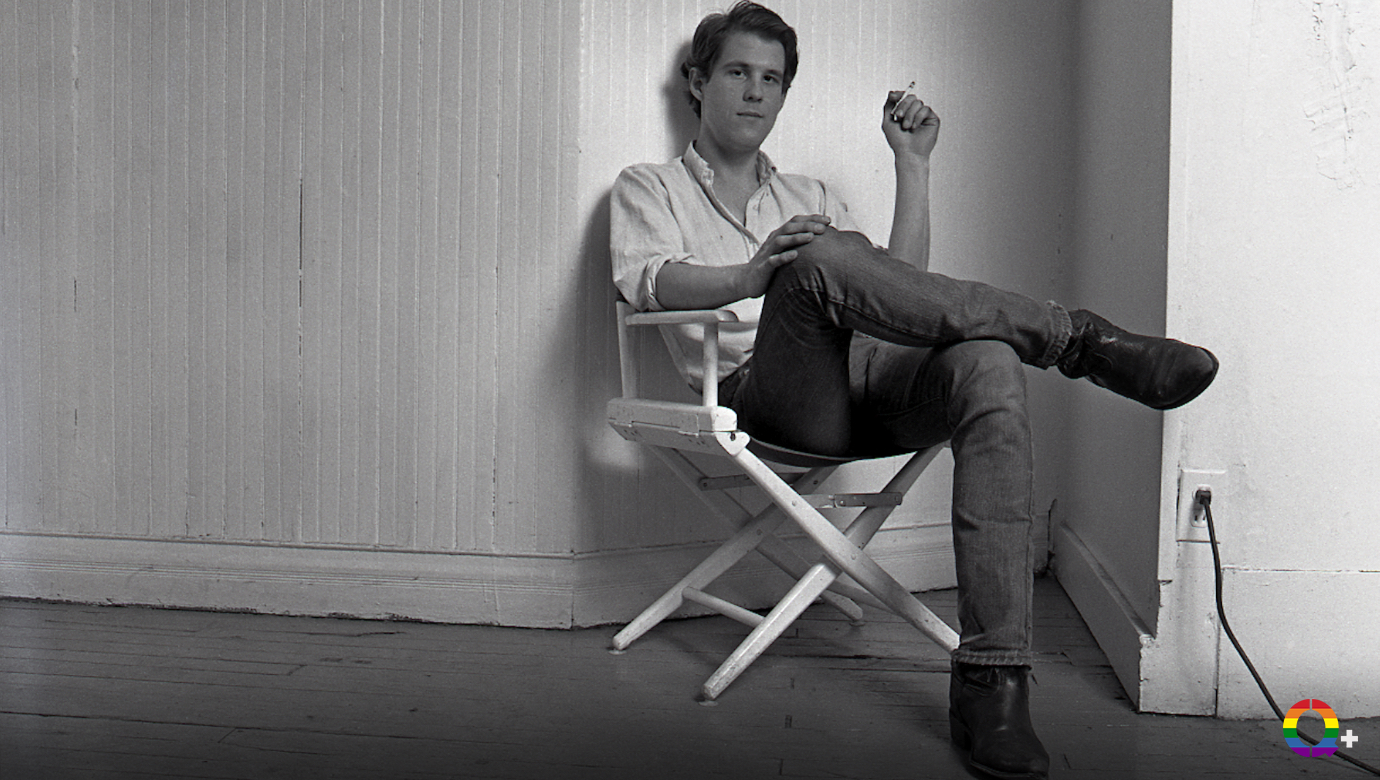
Featured Image: Photo of Edward Brezinski, 1979. ©Marcus Leatherdale. Image Courtesy of Red Splat Productions.
Discover more from Q+ Magazine
Subscribe to get the latest posts sent to your email.


Pingback: Pride 2026: A Q+ Celebration – Q+ Magazine