IOC’s New Olympic Policy Targets Trans Athletes—And We Need to Talk About It
On March 26, the International Olympic Committee (IOC) announced a new policy that will fundamentally reshape who gets to compete in women’s events at the Olympic Games. Framed as a move toward “fairness” and “safety,” the decision instead raises urgent concerns about exclusion, particularly for trans athletes who are already under increasing scrutiny worldwide.
Under the new rules, eligibility for any women’s category at IOC events will be restricted to what the organization defines as “biological females.” This determination will be made through a one-time screening for the SRY gene, a genetic marker typically associated with male sex development. This test, which can be conducted via saliva, cheek swab, or blood sample, will serve as the primary criterion moving forward.
Athletes who test negative will be cleared to compete in women’s events, while those who test positive—including transgender women and some athletes with differences in sex development (DSDs)—will be barred from participation in the category. The IOC has stated that athletes who do not meet this criterion can still compete in other divisions, such as men’s or mixed categories.
IOC President Kirsty Coventry described the policy as science-based and necessary to ensure fairness in elite sport, adding that “every athlete must be treated with dignity and respect.” But here’s where we need to pause, because dignity and respect don’t exist in a vacuum. Policies like this don’t just live on paper; they shape who is seen, who belongs, and who is pushed out.
The decision follows a multi-year review process involving medical experts, athletes, and sporting bodies. The IOC ultimately concluded that sex-based categories are necessary to maintain fairness, citing perceived performance advantages linked to male sex characteristics. The SRY gene, they argue, provides a clear and minimally intrusive way to determine eligibility.
However, the science and the framing are far from universally agreed upon. Biological sex is not a simple binary, and reducing it to the presence or absence of a single gene overlooks the complexity of human bodies. Even Professor Andrew Sinclair, who first identified the SRY gene, has criticized its use in this context, noting that it does not account for how sex development actually functions in the body. “Biological sex is much more complex… Using SRY to establish biological sex is wrong because all it tells you is whether or not the gene is present.”
And then there’s the bigger question: who is this policy really addressing?
Trans athletes have made up an extraordinarily small fraction of Olympic competitors. In 2021, weightlifter Laurel Hubbard became the first openly trans woman to compete at the Olympics, and she did not win a medal. That same year, Quinn made history as the first openly trans and non-binary athlete to win gold with Canada’s women’s soccer team. Skateboarder Alana Smith also competed in Tokyo, while figure skater Timothy LeDuc became the first openly non-binary athlete to compete at the Winter Olympics in 2022.
These athletes didn’t dominate their fields; they simply existed within them. Their presence was about visibility, not advantage.

According to Reuters, more than 80 human rights and sports advocacy groups have been speaking out against the IOC’s decision even before it was announced, citing concerns around privacy, bodily autonomy, and discrimination. The introduction of genetic testing as a gatekeeping mechanism also raises serious ethical questions, particularly in a global climate where trans bodies are increasingly politicized and policed.
And while the International Olympic Committee maintains that this policy applies only to elite competition, it’s hard to ignore the potential ripple effects. Policies at the top often set the tone for everything below, from national federations to youth sports programs. When exclusion is codified at the highest level, it risks becoming normalized elsewhere.
As an LGBTQ+ publication, we want to be clear about where we stand: trans athletes belong in sport. Full stop.
Inclusion is not a loophole nor a threat to fairness. It’s a commitment to ensuring that everyone—regardless of gender identity—has the opportunity to participate, compete, and thrive. What we’re seeing now is not just a policy shift; it’s part of a broader pattern that continues to place trans people, and especially trans women, under disproportionate scrutiny.
We can, and should, care about fairness in sports. But fairness cannot come at the cost of exclusion, especially when the group being excluded has never had equal access to begin with. We believe it’s more important than ever to stand in solidarity with trans and non-binary communities. Their presence in sports is not a threat; it’s a testament to resilience, passion, and the simple desire to compete and belong like anyone else.
If you’re looking for ways to support the trans community during this time, consider donating to organizations like the Global Action for Trans Equality (GATE), which advocates for trans rights on a global scale.
Because at the end of the day, the future of sports shouldn’t be about drawing tighter lines around who gets to belong… it should be about expanding them.
Follow us on X and Instagram for all queer stuff!
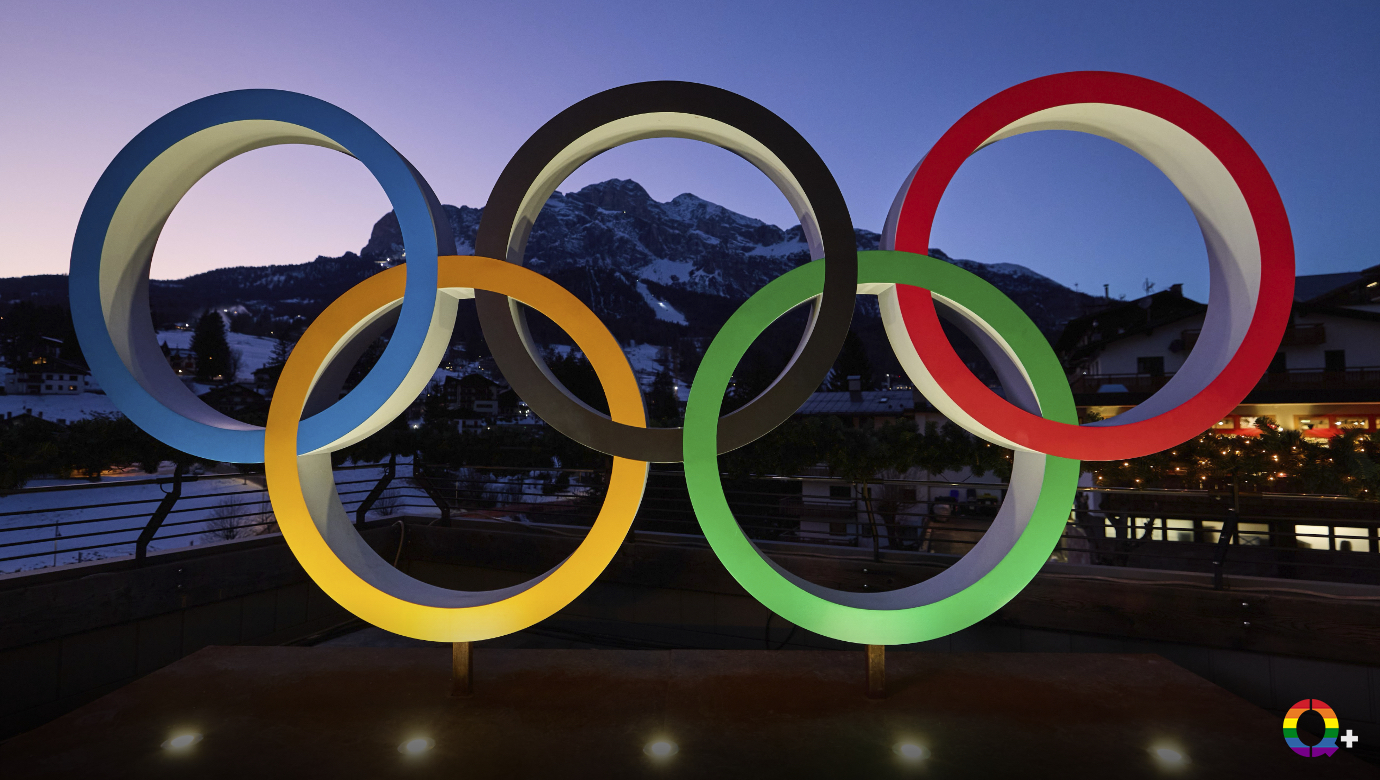
Featured Image: Image via Getty Images. Photo by Francesco Scaccianoce.
Discover more from Q+ Magazine
Subscribe to get the latest posts sent to your email.


