
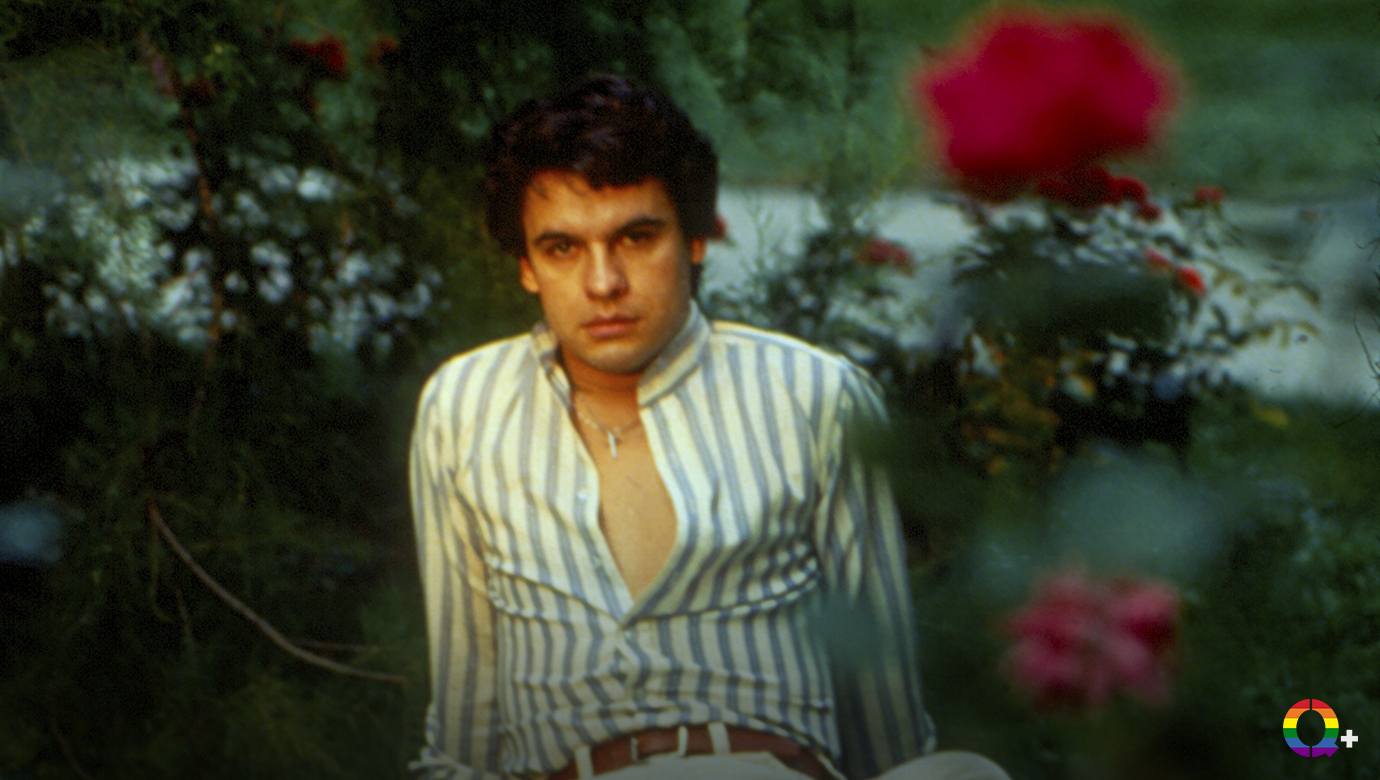
Netflix’s ‘Juan Gabriel: Debo, puedo y quiero’ Lets El Divo Tell His Own Story
Few artists have left a mark on Latin music as deep, colorful, and everlasting as Juan Gabriel. Known as El Divo de Juárez, born Alberto Aguilera Valadez, his voice became the soundtrack of generations, his lyrics the poetry of heartbreak and hope, and his presence an act of unapologetic authenticity—long before that word was part of our cultural vocabulary. Netflix’s new docuseries Juan Gabriel: Debo, puedo y quiero (Juan Gabriel: I Must, I Can, I Will) doesn’t just revisit his life; it lets him tell it himself, blending the personal, the mythical, and the profoundly human into one of the most intimate portraits ever made of a Mexican icon.
The series opens on September 5, 2016, the day Juan Gabriel’s ashes were brought to Bellas Artes, Mexico, for a public farewell. The image is unforgettable: hundreds of thousands gathered to honor a man who, in many ways, never truly left. From there, director María José Cuevas (Bellas de noche, La Dama del Silencio: El caso Mataviejitas) and executive producers Laura Woldenberg and Ivonne Gutiérrez guide us back to the beginning, weaving together home videos, voice recordings, and archival footage that Juan Gabriel himself documented over decades. It feels as though he had always been preparing to tell this story—his story—in his own voice.
The scale of the project alone is remarkable. A team of eight spent nearly two years sifting through 948 hours of footage, more than 30,000 photographs, and hundreds of thousands of hours of recordings and sessions. Among them are rare tapes that capture Juan Gabriel mid-creation, softly humming melodies into a portable recorder, melodies that, by the way, later would become the songs we know now. Every shared moment feels handled with care, cataloging not only the artist’s public triumphs but also Alberto Aguilera’s private world, constantly blurring and illuminating the two identities that made him whole.

One of the series’ most powerful decisions is to let Juan Gabriel guide us through his own journey. His voice becomes the thread stitching together a lifetime of memories: the boy from Ciudad Juárez singing as “Adán Luna” for coins on buses and street corners, the young man facing hardship, discrimination, and wrongful imprisonment, and the artist who would turn pain into art and art into liberation. Each episode feels deeply personal, like listening to an old friend recalling the moments that made them who they are.
Cuevas’ direction honors that intimacy. The storytelling moves gracefully between past and present, never losing the emotional rhythm that defined Juan Gabriel’s music. His songs aren’t simply used as background; they become part of the narrative itself. When El Noa Noa plays as he remembers finding his first stage, or Amor eterno accompanies his reflections on friendship, loss, and his mother’s passing, it feels as if the music is doing the talking for him.

What makes Debo, puedo y quiero truly special is its refusal to sensationalize. Juan Gabriel’s life was filled with triumphs and heartbreak, with mystery and secrecy, but Cuevas and her team approach it with tenderness, not spectacle. The series embraces his contradictions—the flamboyant performer and the shy man, the idol and the son, the people’s voice and the private dreamer who recorded his thoughts on cassette tapes. That honesty makes it deeply moving. It doesn’t try to build a myth; it invites us to meet the man who built himself.
Throughout the episodes, a chorus of voices joins Juan Gabriel’s: friends, colleagues, journalists, and even his children. Each one adds texture to the portrait, revealing new dimensions of a man who seemed to contain multitudes, revealing just how many lives he touched. Their recollections don’t just humanize him; they show the echo of his presence in the people who knew and loved him. By the time we hear from his children, it’s impossible not to feel that this story belongs to them, too.
Visually, the series carries Cuevas’ signature mix of nostalgia and realism. The archival footage glows with warmth and life, and the editing leaves space for quiet reflection. There’s a rhythm to the storytelling that mirrors the way Juan Gabriel himself might have told it: full of detours, laughter, tears, and music that never quite ends.

Beyond its artistry, Juan Gabriel: Debo, puedo y quiero is a celebration of resilience, creativity, and the freedom to exist on one’s own terms. For LGBTQ+ audiences especially, the series resonates deeply. Juan Gabriel never needed to “come out” to be seen—his identity was both whispered and shouted in his art, reflected in every gesture and performance, in the way he moved through the world without apology. The documentary doesn’t define him by it, doesn’t label him; it simply allows him to be. And that, in itself, feels like an act of love.
In the end, Debo, puedo y quiero feels less like a posthumous homage and more like a conversation across time. It reminds us that memory isn’t only about looking back, it’s about keeping someone alive through the stories we continue to tell. Juan Gabriel’s story, told in his own voice, is exactly that: a reminder that legends don’t fade, they echo.
Debo, puedo y quiero is a tender, beautifully constructed portrait of one of Mexico’s most beloved artists, told not from the outside looking in, but from the inside looking out. A must-watch for anyone who’s ever sung along to Querida at a family gathering, healed a broken heart with La Diferencia, or found a piece of themselves somewhere in his many, many songs.
Juan Gabriel: Debo, puedo y quiero is available to stream exclusively on Netflix now. Follow us on X and Instagram for all queer stuff!
Featured Image: Image Courtesy of Netflix.
Discover more from Q+ Magazine
Subscribe to get the latest posts sent to your email.


Pingback: Inside 'Juan Gabriel: Debo, Puedo y Quiero' with the Women Who Shaped His Story – Q+ Magazine