Alphabet Soup: Raw, Queer, Messy, and Beautifully Human
The queer experience is as varied as the colors of the rainbow. And Alphabet Soup, a new six-part docu-series from director Shannon Alexander, captures that beautifully messy spectrum. There’s no one way to be queer, no singular path to self-discovery, love, or liberation. And yet, in today’s TV landscape, we’re often flattened into tropes or neatly packaged for easier consumption. Authentic, unfiltered queer stories—especially ones grounded in the present-day realities of trans, nonbinary, and BIPOC folks—are still far too rare.
Set in the vibrant chaos of New York City, Alphabet Soup offers a rich, deeply intimate tapestry of queer life. More than just a title, the series reclaims a term that’s long been used dismissively to describe the LGBTQ+ community, transforming it into a proud, affirming celebration of individuality, complexity, and identity in all its forms.
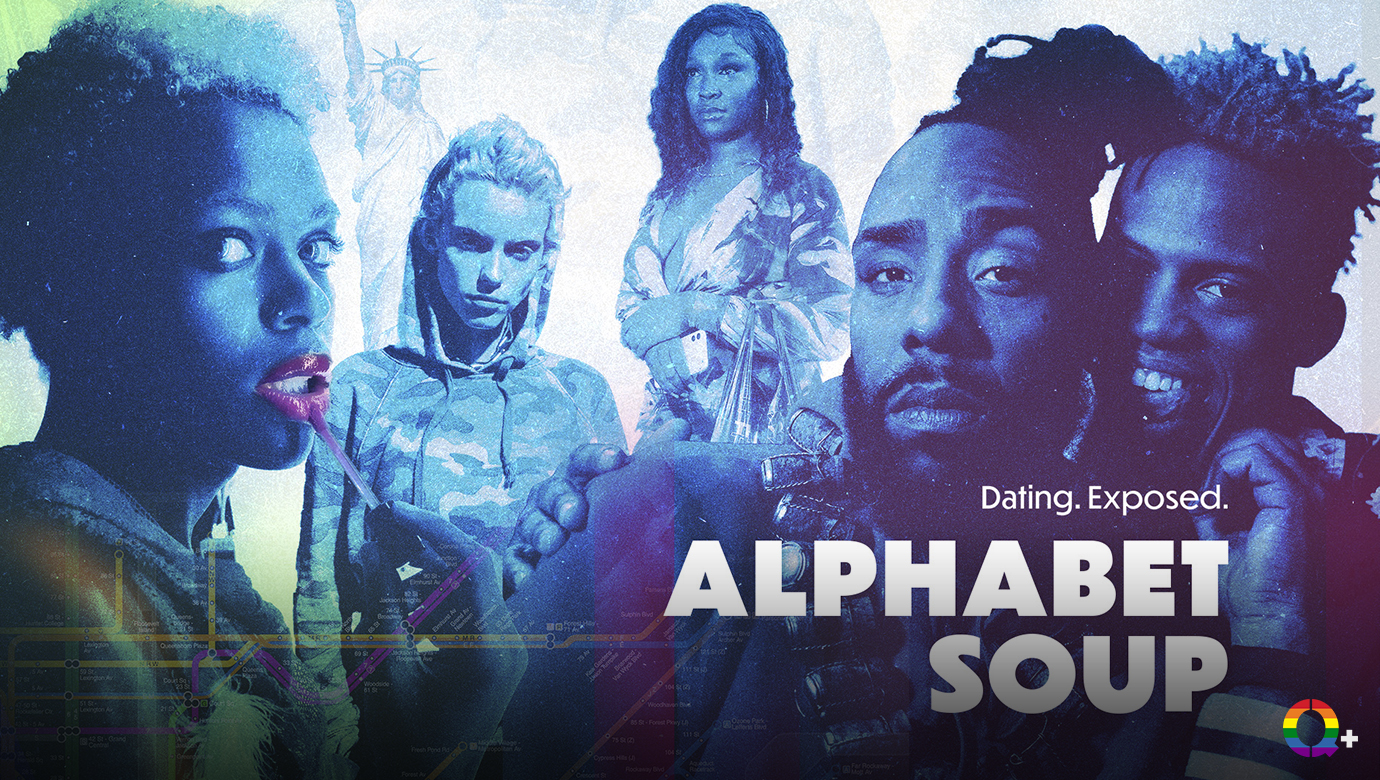
At its core, Alphabet Soup is an exploration of humanity. Through deeply intimate glimpses into the lives of Adrianna, Allan, Andrea, Atari, Cam (Cece), Gracie, Kiykiy, Nova, Ray, Saturn, Shalimar, and Troy, the series paints a portrait that’s both specific and universal. These are queer people navigating love, trauma, family, identity, friendship—and doing it all while trying to hold on to themselves in a city that can be both incredibly freeing and unspeakably brutal.

The brilliance of Alphabet Soup lies in its commitment to letting these stories breathe. It doesn’t rush to define its subjects or cram their experiences into neat arcs. Instead, the episodes unfurl with the rhythm of real life. We watch as connections are formed, tested, or fall apart entirely. We witness moments of joy and heartbreak, of self-sabotage and self-realization. The narrative doesn’t rely on spectacle, it leans into stillness, into conversation, into vulnerability.
And that vulnerability is the glue. The kind that sneaks up on you and makes you realize, by episode six, that you’ve grown attached. You’ve laughed with these folks, you’ve flinched at their missteps, you’ve rooted for their growth. You feel like you’ve just caught up with a group of friends after not seeing them for a while. And in some ways, you have.

One of the most striking elements of the series is how it captures community, not just as an abstract idea, but as a lived experience. Some of the subjects know each other. Others move in overlapping circles. But all of them are connected by this shared thread of queerness, of chosen family, of navigating the world while carving space for themselves and one another. Watching them, we can’t help but feel connected too, as if we’re part of the same web of resilience, defiance, and joy.
Shannon Alexander’s approach to storytelling is key here. The cinematography is thoughtful, intimate, and personal without ever feeling intrusive. Some scenes are shot by the participants themselves, adding an extra layer of authenticity. It’s like stumbling across a friend’s Instagram Story or late-night voice note—a window into someone’s real, unfiltered world. That framing makes Alphabet Soup feel less like a traditional documentary and more like a shared emotional archive.

Throughout the six episodes, the series delves into themes that sit at the heart of the queer experience: identity, visibility, self-worth, cultural legacy, and the constant push and pull between how we see ourselves and how the world sees us. There are candid conversations about trauma and transformation, the weight of being misunderstood, and the unrelenting desire for connection. It’s a show that honors queer fashion, voice, movement, and presence, not just as aesthetics, but as acts of self-expression and survival.
Director Shannon Alexander calls Alphabet Soup “a love letter to resilience, queer joy, and the beautifully imperfect ways we seek connection.” We’d add that it’s also a love letter to the human condition. Because to be human is to be messy. It’s to make mistakes, to hurt people even when we don’t mean to, to stumble through the search for meaning, love, and belonging. And this series doesn’t shy away from that. It embraces the imperfection. It allows space for contradiction and growth. It says: look at us, look at all of us—we’re trying, we’re healing, we’re living.
In a world where powerful people are still trying to strip us of our colors, Alphabet Soup feels like a quiet act of rebellion. A reminder that showing up as we are, in all our flawed brilliance, is the most radical thing we can do. That recognizing each other, loving each other, and telling our stories loudly and proudly, is how we keep going.
Alphabet Soup is available to stream on Peacock and Prime Video. Follow us on X and Instagram for all queer stuff!
Featured Image: Image Courtesy of Shannon Alexander.
Discover more from Q+ Magazine
Subscribe to get the latest posts sent to your email.


