
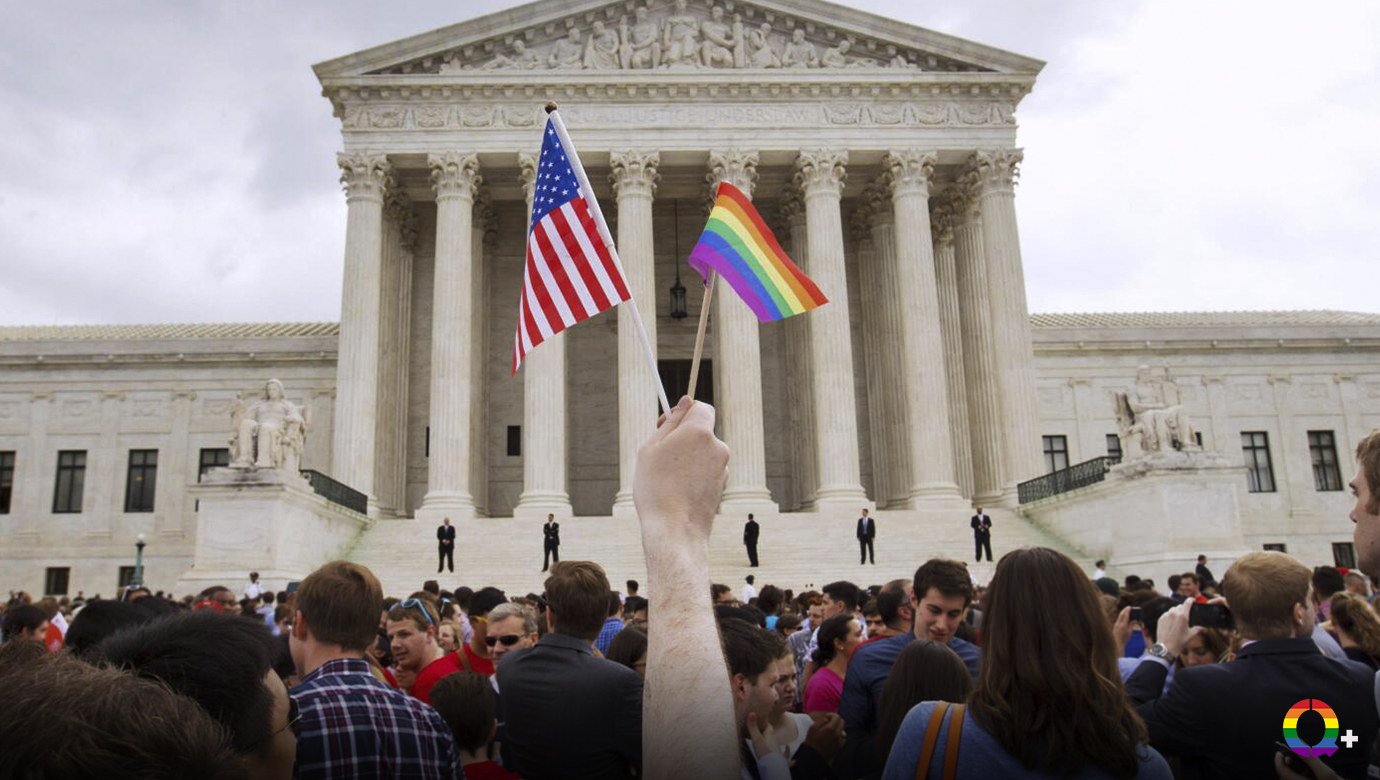
Supreme Court Says No to Kim Davis, Marriage Equality Intact
Today marks a major win for LGBTQ+ folks across the United States. On this Monday, November 10, the U.S. Supreme Court declined to take up an appeal from Kim Davis—the former Kentucky county clerk who infamously refused to issue marriage licenses to same-sex couples following the court’s 2015 decision in Obergefell v. Hodges. In doing so, the court turned away an opportunity to revisit or overturn the landmark ruling that guaranteed marriage equality nationwide.
This decision comes as a massive sigh of relief for the LGBTQ+ community and allies who have watched with concern as the court’s conservative majority has revisited key civil rights precedents in recent years. With Roe v. Wade overturned in 2022 and several rulings that have rolled back protections for trans Americans, the fear that Obergefell could be next on the chopping block has loomed large.
But not today.
By refusing to grant Davis’s petition, the Supreme Court effectively affirmed what millions of LGBTQ+ people and their families already know: marriage equality is here to stay. At least for now.

For those who may need a refresher, Kim Davis became a national symbol of defiance after the Obergefell decision, when she cited her religious beliefs to justify denying marriage licenses to same-sex couples in Rowan County, Kentucky. Her actions sparked lawsuits, a brief jail stint, and years of legal battles that ultimately left her facing more than $360,000 in damages and fees. Davis’s latest appeal claimed her First Amendment rights should shield her from liability, but lower courts, and now the Supreme Court, disagreed.
The current makeup of the court only amplified fears about how this case might play out. Since Obergefell was decided a decade ago, the bench has shifted sharply to the right: Justice Anthony Kennedy, who wrote the original marriage equality opinion, has retired, and both Justice Ruth Bader Ginsburg and Justice Antonin Scalia have passed away. In their place sit Justices Brett Kavanaugh and Amy Coney Barrett, both solidly conservative. Meanwhile, three justices—Chief Justice John Roberts, Clarence Thomas, and Samuel Alito—dissented in the original Obergefell decision.
Despite that history, even some conservative justices have recently signaled little interest in revisiting the ruling. Justice Barrett noted the “very concrete reliance interests” surrounding marriage equality, while Justice Alito, though critical of Obergefell, acknowledged that it remains a precedent entitled to respect under stare decisis.

LGBTQ+ advocates have welcomed today’s news as a reassurance that love and equality continue to hold their ground. Mary Bonauto, who argued Obergefell before the Supreme Court in 2015, told CNN that the decision is proof of how deeply marriage equality has strengthened communities nationwide. “The only thing that has changed since Obergefell was decided is that people across the country have seen how marriage equality provides protection for families and children, and that protection strengthens communities, the economy and our society,” she said.
And as Kelley Robinson, president of the Human Rights Campaign, put it perfectly: “Today, love won again. When public officials take an oath to serve their communities, that promise extends to everyone—including LGBTQ+ people. The Supreme Court made clear today that refusing to respect the constitutional rights of others does not come without consequences.”
While this denial to Kim Davis doesn’t set a formal precedent, meaning future appeals could still challenge Obergefell, it’s nonetheless a powerful signal that the court isn’t ready to roll back one of the most significant civil rights victories in modern history. For now, marriage equality stands firm. And across the country, queer families can exhale. Love, once again, has the final word.
Follow us on X and Instagram for all queer stuff!
Featured Image: Image via AP. Photo by Jacquelyn Martin.


