Josh Cavallo Speaks Out on Homophobia and His Exit From Adelaide United
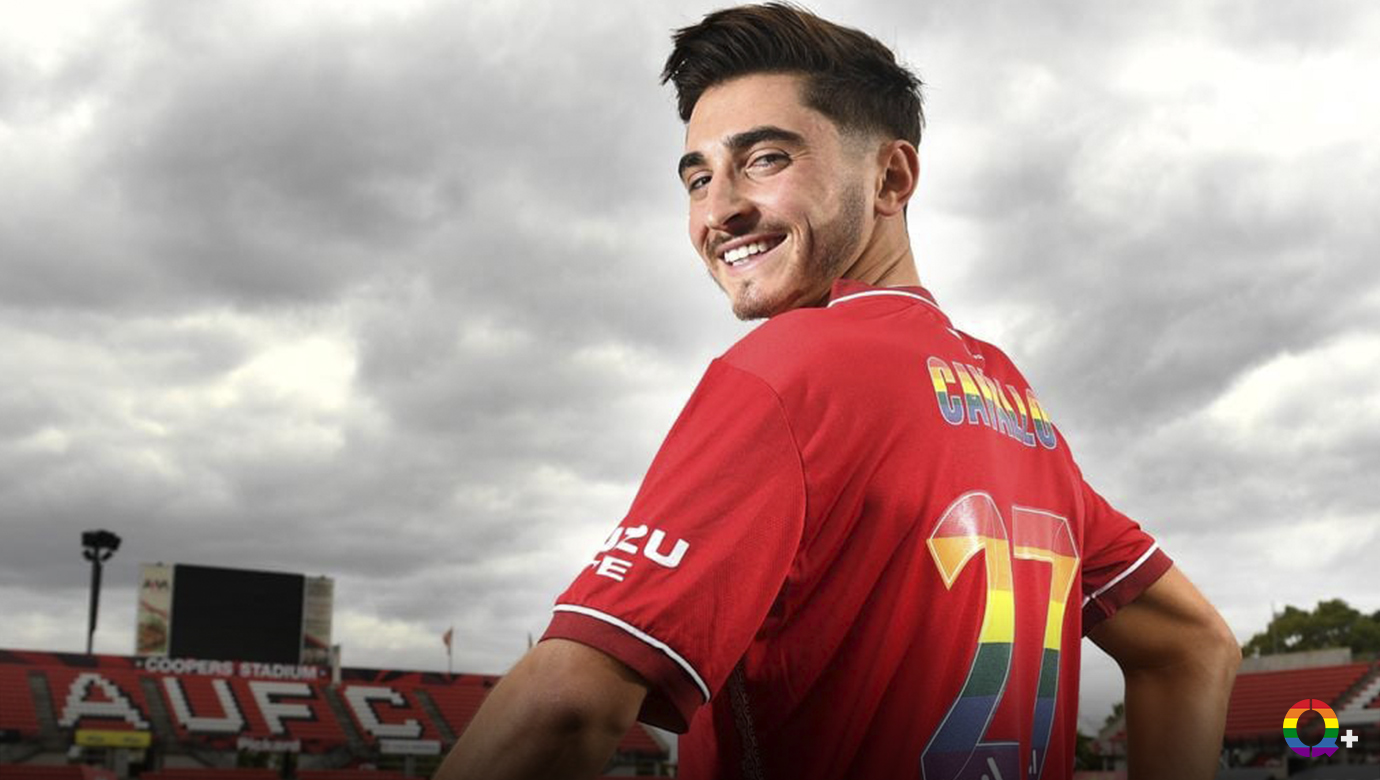
In a recent Instagram post, professional soccer player Josh Cavallo opened up to his followers about his departure from former A-League club Adelaide United, alleging that he was pushed out due to what he described as “internal homophobia.”
The 26-year-old footballer left the club last year and relocated from Australia to England, where he now plays non-league soccer. Just last month, Cavallo signed with Stamford AFC, who compete in the Southern League Premier Division Central, marking a fresh chapter in his career after a turbulent end to his time back home.
Cavallo first made global headlines in 2021 when he publicly came out as gay, becoming the first openly gay male footballer to do so while actively playing in a top-flight league. At the time, his announcement was widely celebrated as a landmark moment for representation in men’s professional football, a sport that has long struggled with inclusivity.

Now, years later, Cavallo says that coming out had consequences he feared might one day surface. In his post, he shared a detailed statement explaining his experience at Adelaide United and why he ultimately felt forced to move on. To avoid any confusion or misrepresentation, we’re sharing Cavallo’s statement in full below, allowing his account to be read in his own words and in full context:
“It’s taken me a while to digest how my time at Adelaide United ended, but I think the fans deserve honesty. Leaving the club had nothing to do with football. Decisions were made by people in power that blocked my opportunities, not because of my talent, but because of who I choose to love. Under the new management, it became clear that I wasn’t allowed on the pitch because of politics. It’s hard to swallow when I realised my own club was homophobic. I was angry because people thought I was sidelined based on injuries, when in reality, it was internal homophobia that kept me on the bench.
“I stayed professional, kept my head down, and worked hard every day which I’m proud of. Yet no matter how much I produced or improved, my contributions were continuously ignored. It brought a lot of negativity and affected my wellbeing as a professional footballer. This was exactly the fear I had about coming out, seeing prejudice affect my career in modern day. For the first time, I actually questioned if I should have kept my sexuality a secret.
“This brought up fears I had about coming out publicly, that being myself would affect my career. I felt incredibly isolated and wondered if I’d made the mistake of sharing my story. I felt things going backwards, not just on the pitch, but in the one place I thought was a safe space and after seeing a group chat of teammates mocking a picture of me and my partner only added to this heartache.
“This fresh start in the UK has helped me breathe again and I hope I can fall back in love with the sport that means everything to me. Despite the way it ended behind the scenes, I refuse to let it ruin my connection to this city. Adelaide is where I found my wings. To the fans and supporters: thank you for your passion and backing. You deserve honesty and success. You were incredible to play in front of. Thank you.”

Adelaide United responded to the allegations on Tuesday, stating that the club was “extremely disappointed by the claims made and categorically rejects the allegations, including any suggestion that Adelaide United is homophobic.” In its statement, the club added: “All on-field decisions relating to team selection are made solely on footballing grounds. Adelaide United has always been committed to fostering an inclusive environment for players, staff and supporters and we remain proud of our ongoing work to promote inclusion across football.”
Situations like this remind us that public-facing commitments to inclusion don’t always align with the private, lived experiences of LGBTQ+ athletes navigating professional sport. While statements and policies matter, so do internal cultures, power dynamics, and the day-to-day realities players face behind closed doors. Regardless of where responsibility ultimately lies, Cavallo’s account underscores how deeply structural issues within sports culture can still impact openly gay players, not just on the pitch, but emotionally and professionally as well.
For now, Cavallo is focused on rebuilding his relationship with the game in the UK, hoping this new chapter allows him to play freely and fully as himself… something no athlete should ever have to fight for.
Follow us on X and Instagram for all queer stuff!
Featured Image: Image via Sky News Australia. Photo by Tricia Watkinson.


