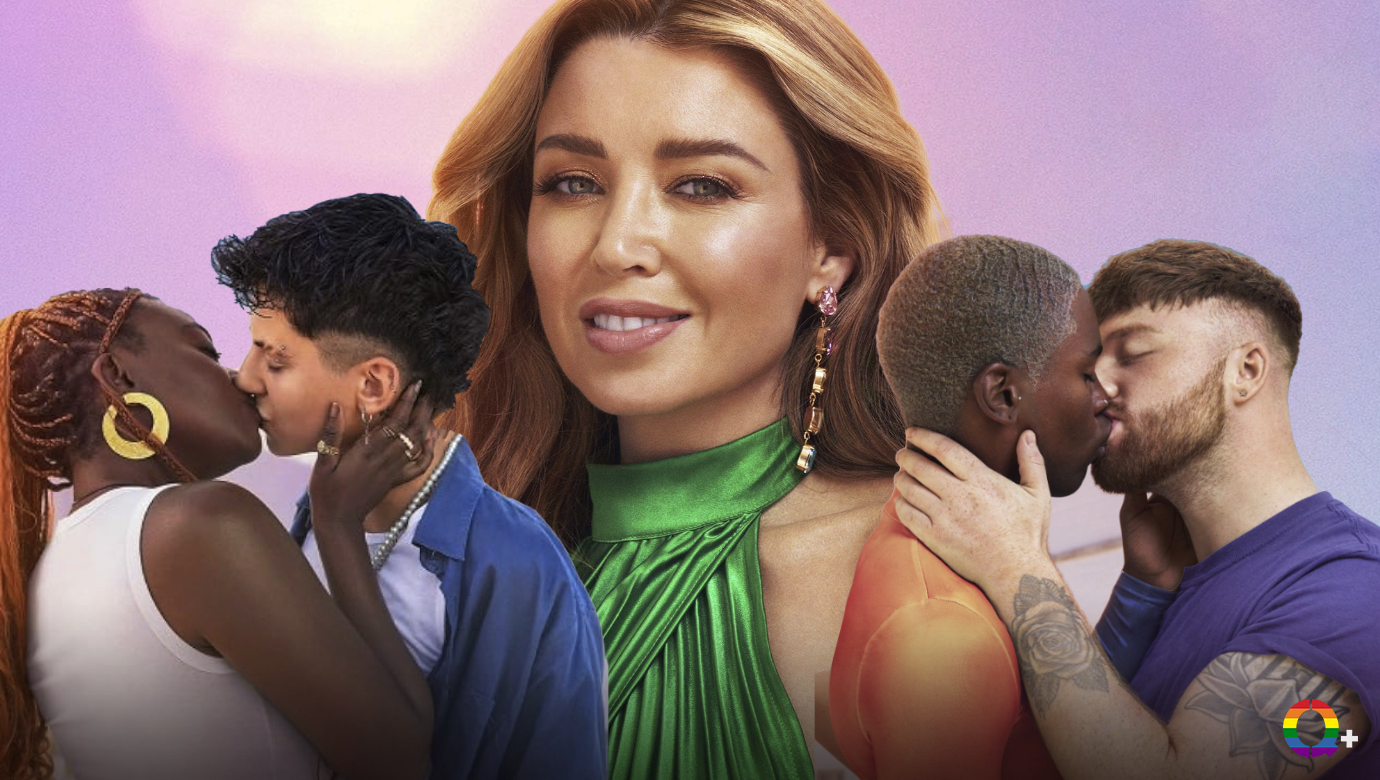
BBC Cancels ‘I Kissed a Boy’ and ‘I Kissed a Girl,’ Ending the UK’s First All-Queer Dating Shows
Representation in reality TV has always been a slow, uneven journey, which is why shows like I Kissed a Boy and I Kissed a Girl felt so important the moment they arrived. For once, the dating-show format wasn’t just borrowing queer storylines for a side plot; it centered them completely. That’s what made the recent news of their cancellation by the BBC feel particularly disappointing.
According to a BBC spokesperson who spoke to The Sun, the decision comes down to financial pressure. “We are exceptionally proud of I Kissed a Boy/Girl, the UK’s first dating show for the LGBTQ+ community,” the spokesperson said. “Unfortunately, we have to make difficult choices in light of our funding challenges, and there are no current plans for the show to return.”
Hearing that explanation stings, especially considering what these series represented. In an entertainment landscape where queer shows are still far too rare, losing two of them at once doesn’t exactly feel like progress. Instead, it raises a worrying question: if even successful queer-focused formats struggle to survive, what message does that send to networks thinking about greenlighting similar projects?

When I Kissed a Boy premiered in 2023, it instantly stood out. The concept was simple but refreshing: a group of single men meeting for the first time with a kiss, all while looking for love in a picturesque Italian masseria. Hosted by pop icon Dannii Minogue, the show blended the drama and romance audiences expect from reality dating series with something far more meaningful: a space where queer men could openly explore attraction and relationships on mainstream television.
The following year, the concept expanded with I Kissed a Girl, offering queer women the same opportunity to find connection on screen. Together, the two series made history as the UK’s first all-queer dating shows, a milestone that felt long overdue.
What made the franchise resonate wasn’t just the romance or the reality-TV twists. It was the conversations happening alongside the flirting. Contestants spoke openly about family acceptance, internalized shame, identity struggles, and the complicated journey of coming into one’s own. Topics that are often pushed aside in traditional dating shows suddenly became part of the narrative, giving audiences a much richer and more honest look at queer relationships.

Minogue herself reflected on that impact after the cancellation was announced. “I’m so proud the show has given us the chance to celebrate so many people from the LGBTQ+ community, who made up our cast,” she said. “The integrity and intention of why it was created, along with the love and care from the crew and production over the four seasons, has made it the most special experience for me in almost 40 years of television.”
Her words highlight something many viewers already felt: these shows mattered beyond the entertainment factor. They allowed queer people to see themselves navigating love in a genre that has historically excluded them.
Unfortunately, the loss of I Kissed a Boy and I Kissed a Girl also comes at a time when queer dating shows are becoming increasingly rare. Netflix previously pulled the plug on The Ultimatum: Queer Love, leaving very few programs in the genre. As it stands, one of the only remaining examples is Netflix’s Japanese series The Boyfriend, which has yet to confirm whether it will return for a third season.
That shrinking landscape makes the BBC’s decision feel even more significant… and more troubling.

Former I Kissed a Boy contestant Jordan Burrow spoke candidly about the situation, telling the BBC that the cancellation “feels like it’s very much an example of where we’re at within the queer community and where we stand with people who are not in the community.” He added, “We need that show now more than ever to provide representation, to provide a voice so people can see people that look and act like them on the TV.”
And he has a point. At a time when LGBTQ+ rights continue to face pushback around the world—including in the UK—seeing queer stories disappear from television doesn’t exactly inspire confidence about the direction the industry is heading.
There is still one more season of I Kissed a Girl waiting to air, which means fans will have one last chance to return to the masseria before the franchise closes its doors. But with only two seasons of each show produced, it’s hard not to feel like their journey ended far too soon.
Still, the legacy of I Kissed a Boy and I Kissed a Girl goes beyond episode counts. They proved that audiences are eager for queer dating stories and that reality TV can make space for deeper conversations about identity, acceptance, and love in all its forms.
Most importantly, they showed that queer joy belongs on screen.
I Kissed a Boy and I Kissed a Girl may be ending, but the impact they had on queer representation in reality TV won’t disappear anytime soon. The door they opened for queer love stories in the dating-show genre is still there, and sooner or later, someone will walk through it again.
I Kissed A Girl Season 2 will air on BBC3 this spring. Seasons 1 and 2 of I Kiss a Boy/Girl are available to stream on BBC iPlayer (UK only), Hulu (US only)9, Prime Video, Disney+, and Apple TV (depending on the region). Follow us on X and Instagram for all queer stuff!
Featured Image: Image Courtesy of BBC and Hulu.


